My Story
Like so many of you, I was not born or raised here. After careful and thorough research, I CHOSE Martin County as my home.
I was raised in a small town and on a farm in southern Illinois. I attended the University of Illinois and graduated from Texas A & M University.
My husband, Jeff, and I have been married for 45 years. When we met, Jeff was a Navy pilot, and we traveled a good deal. We assumed that when it was time for us to settle down, we would return to Jeff’s hometown, Boca Raton. By 1986, we had abandoned that plan. Boca Raton was far too overdeveloped for us.
We had lived in Texas, Florida, and Spain. I had lived in Illinois, Arizona, and California. We had lived in cities, towns, in the country, on the Atlantic Ocean, the Gulf of Mexico, and the Bay of Cadiz. We knew that we wanted to live in a subtropical climate with abundant waterfront and a verdant and healthy environment. We kept returning to Martin County.
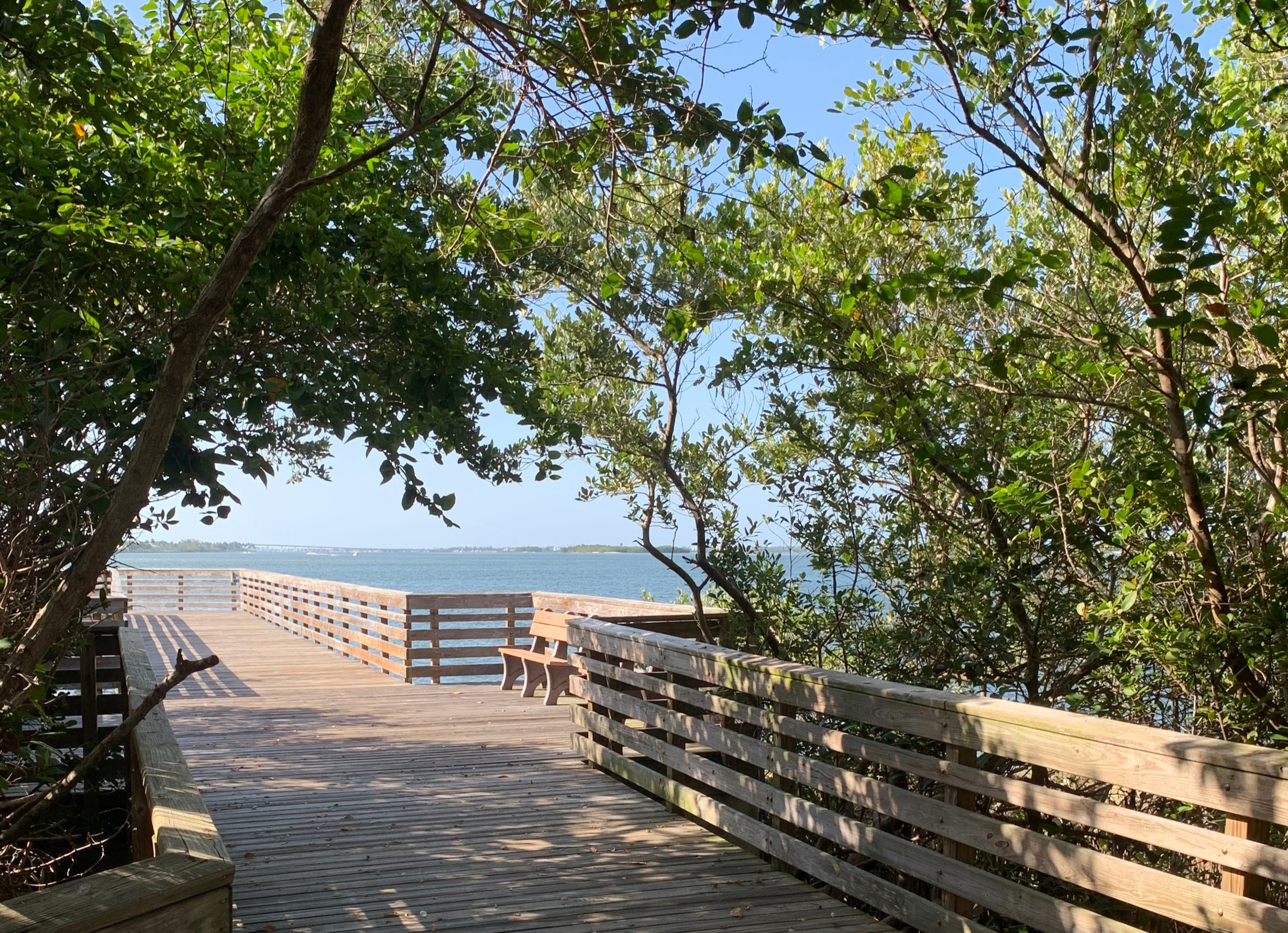
How unique Martin County is in south Florida! With its miles of navigable rivers and estuaries, with its banks gracefully lined in mangroves not trapped in concrete bulkheads, it is a refreshing retreat. The wide open spaces, uncrowded beaches, and 4 story height limit reflect the community’s commitment to a superior quality of life for all residents. The pride and importance of a viable agricultural community and traditional neighborhoods were obvious.
We loved the unfranchised look and feel of Martin County. There was no mistaking its independence from the omnipresent Disney-like towns that were springing up overnight all over south Florida. Martin County was a real and vibrant community, one that clearly was content, proud, and determined to be different. It beckoned us. We jumped in, and the rest of my biography will be written right here.
Promises Made and Kept
My campaign platforms have been simple and concise and consistent. Slow development, clean up our water, and keep our taxes low. I have been careful not to make promises I couldn’t keep. I have also limited the issues to only those about which I feel most strongly.
Every candidate running for Martin County Commissioner will make these same platform promises. There is one extraordinary difference. I have a 24-year voting record that proves I have kept the promises I have made.
"Yes, she votes 'no' quite often. But one common theme with her 'no' votes is Heard’s commitment to controlling spending and looking out for taxpayers." — Stuart News Endorsement for Re-Election
I believe in conservation in all things. I have fought very hard and at every opportunity over the past 24 years to keep our county’s spending rational and responsible.

Managing Growth
You don’t need a sign telling you that you have arrived in Martin County. There are no high rise buildings, and there is an abundance of open space.
Will it always be like this? Can we avoid the mistakes of overdeveloped south Florida? We can, if we muster the political will to put our existing residents first.
Local governments have the authority and I believe the responsibility to manage growth in their counties. But, those elected officials who make the rules must understand that their bosses are the residents who voted them into office. Many county commissioners’ campaign finance reports are filled with maximum donations from out of state developers. My campaign donations are all from people who live here and want to protect our quality of life here. Not developers and special interests.
The Comprehensive Plan: Our Local Constitution
For most of my tenure as your Martin County Commissioner, I have been in the voting minority, most often a 4 to 1 minority. Some may feel that this made my position weak. On the contrary, that made my vote and position on the Board the most powerful.
I have voted no to many proposals, developments, and Comprehensive Plan amendments. Every proposal to weaken the protections of the Comprehensive Plan received my no vote, and every proposal to strengthen the protections of the Comprehensive Plan received my approval. Every time I voted no, compliance with the Comprehensive Plan was my foundation. I believe that my consistent focus on upholding our laws prevented approvals of some excesses by our former Boards.
These days, candidates for office often craft their opinions on decisions based upon the feedback from their Facebook friends and supporters. We deserve better informed public servants - representatives who read and understand the value of the laws that bind and protect us.
Our Comprehensive Plan is our local Constitution. It contains the goals, objectives, and policies that determine how and where we grow in Martin County. It is where we mandate our 4-story height limit and strong urban boundaries and high-quality parks and libraries and fiscal policies that save us tax dollars. It is where we protect neighborhoods and create a level playing field for businesses to flourish. If you moved to Martin County because it’s different from all of the rest of south Florida, know that our Comprehensive Plan makes it different.
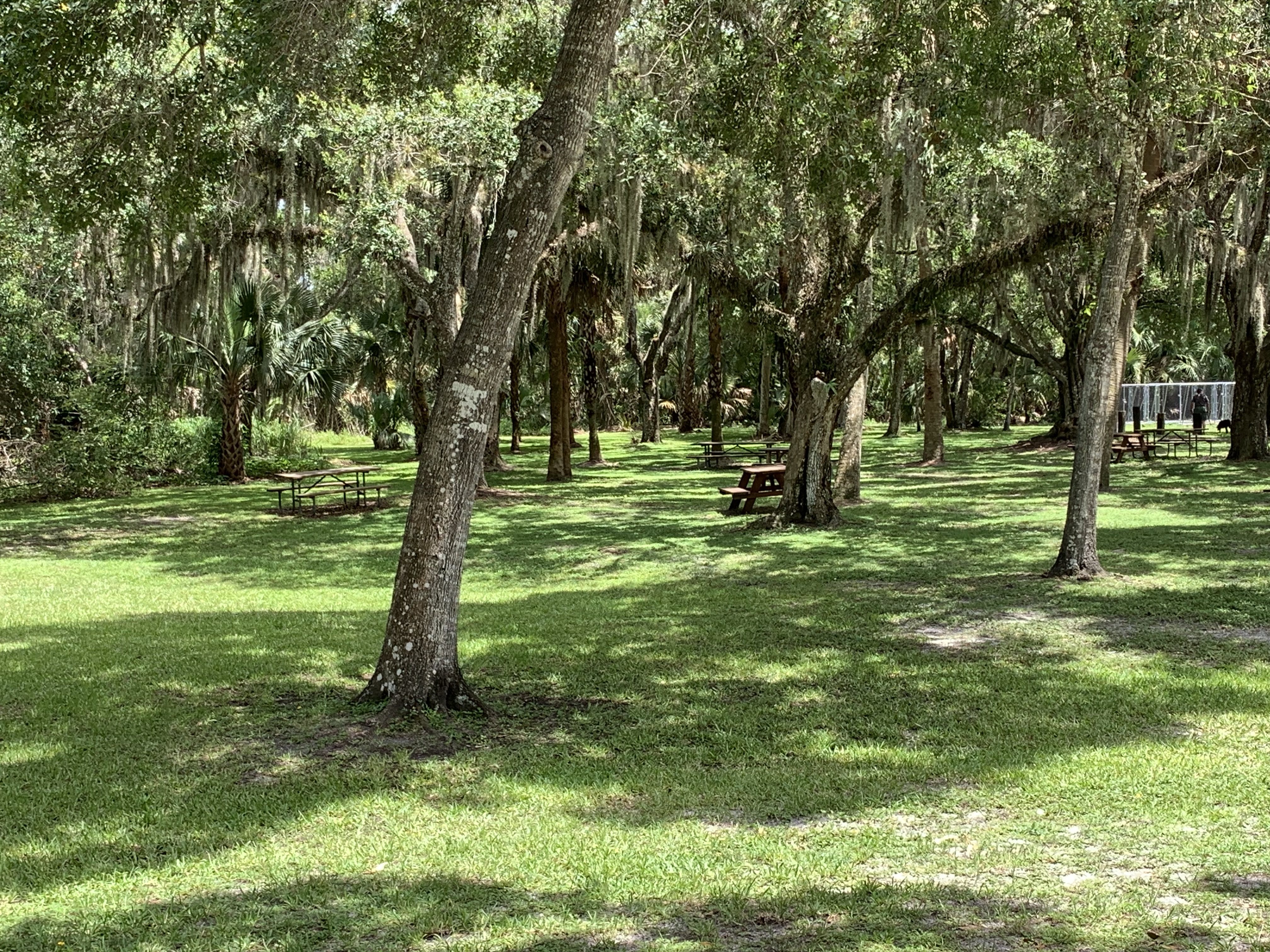
The Comprehensive Plan can be amended. There are certainly instances when an amendment is in order. But, that action is also why south Florida looks the way that it does. Remember that Miami-Dade, Broward, and Palm Beach counties weren’t always overdeveloped. First, a County Commission majority had to vote to amend their Comprehensive Plans to allow the increases in density and intensity that now characterize their counties. I don’t want to stop growth, but I do want to make sure that we do it well, always taking every measure to protect our existing neighborhoods.

Wetland Protection
Although not as well understood or appreciated as our waterways, our wetlands are a vital component of our hydrology. Wetlands are nature’s sponges. During the wet season, they absorb rainwater and control flooding. They act as natural filters to clean the water as it soaks into the ground and recharges our underground drinking water aquifers. In the dry season, wetlands conserve water evaporation and recharge. And, they provide essential habitat for countless animals, birds, fish, and reptiles.
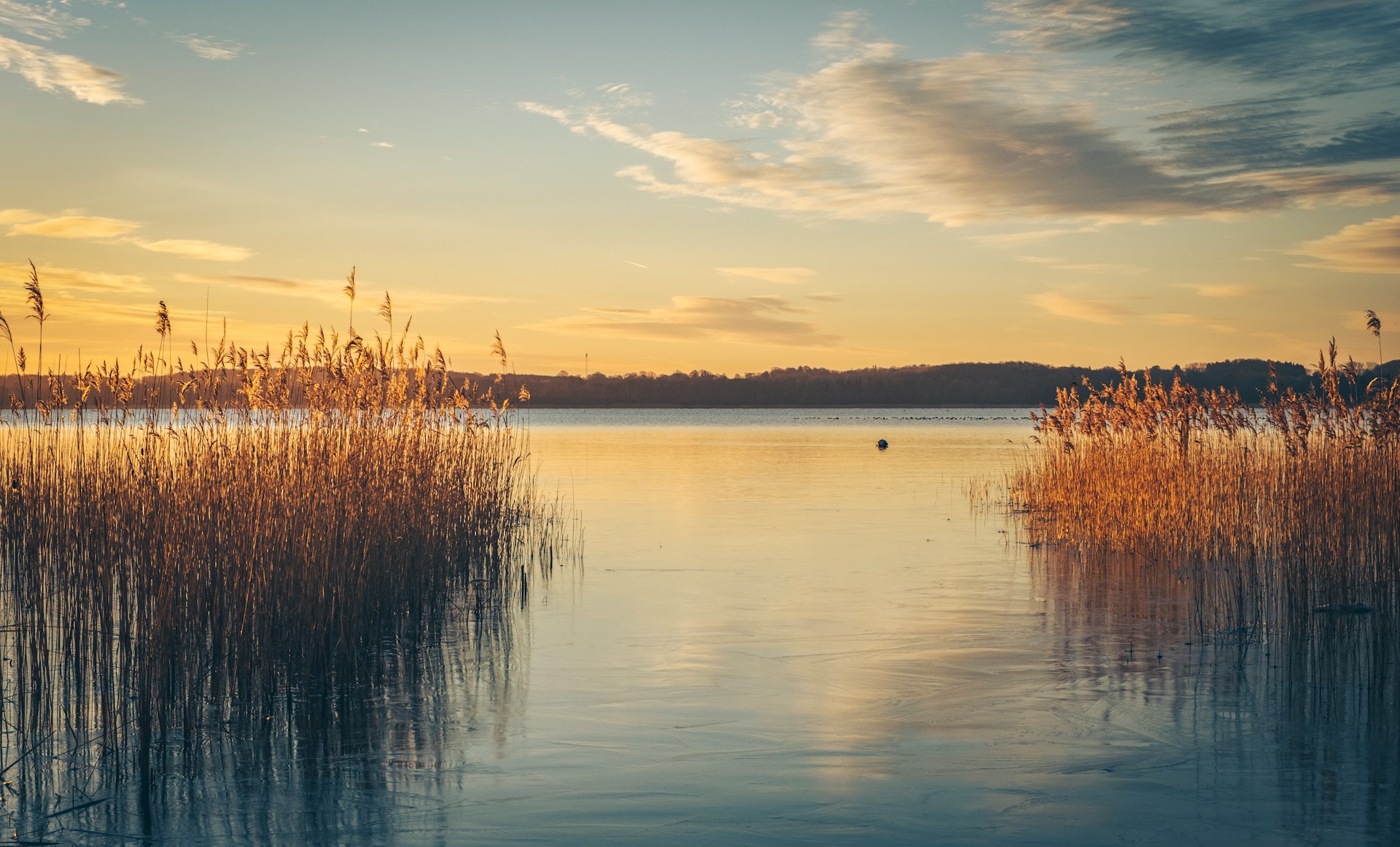
That is why Martin County has always had strong laws protecting our wetlands. In 2016, the Board majority began efforts to do away with all protections for small and isolated wetlands. Our residents responded quickly and decisively in opposition to this attempt to radically harm our environment. A grassroots effort began that soon escalated into a countywide mandate to retain all of our wetland protections. The Board majority abandoned their misguided efforts.
Ecosystem & Waterway Restoration
Our waters, the ocean, the rivers and estuaries, are Martin County residents’ most revered assets. The estuaries here in Martin County - the Indian River Lagoon, the St. Lucie River, and the Loxahatchee River - provide spawning and nursery habitat for more marine species than anywhere in the United States. Their declining health has been our most pressing issue for decades. Disastrous releases of polluted water from Lake Okeechobee created toxic conditions here in 1998, 2005, 2013, 2016, and 2018, rendering our waterways untouchable.
But, local, state and federal governments have all prioritized restoring our waters’ health.
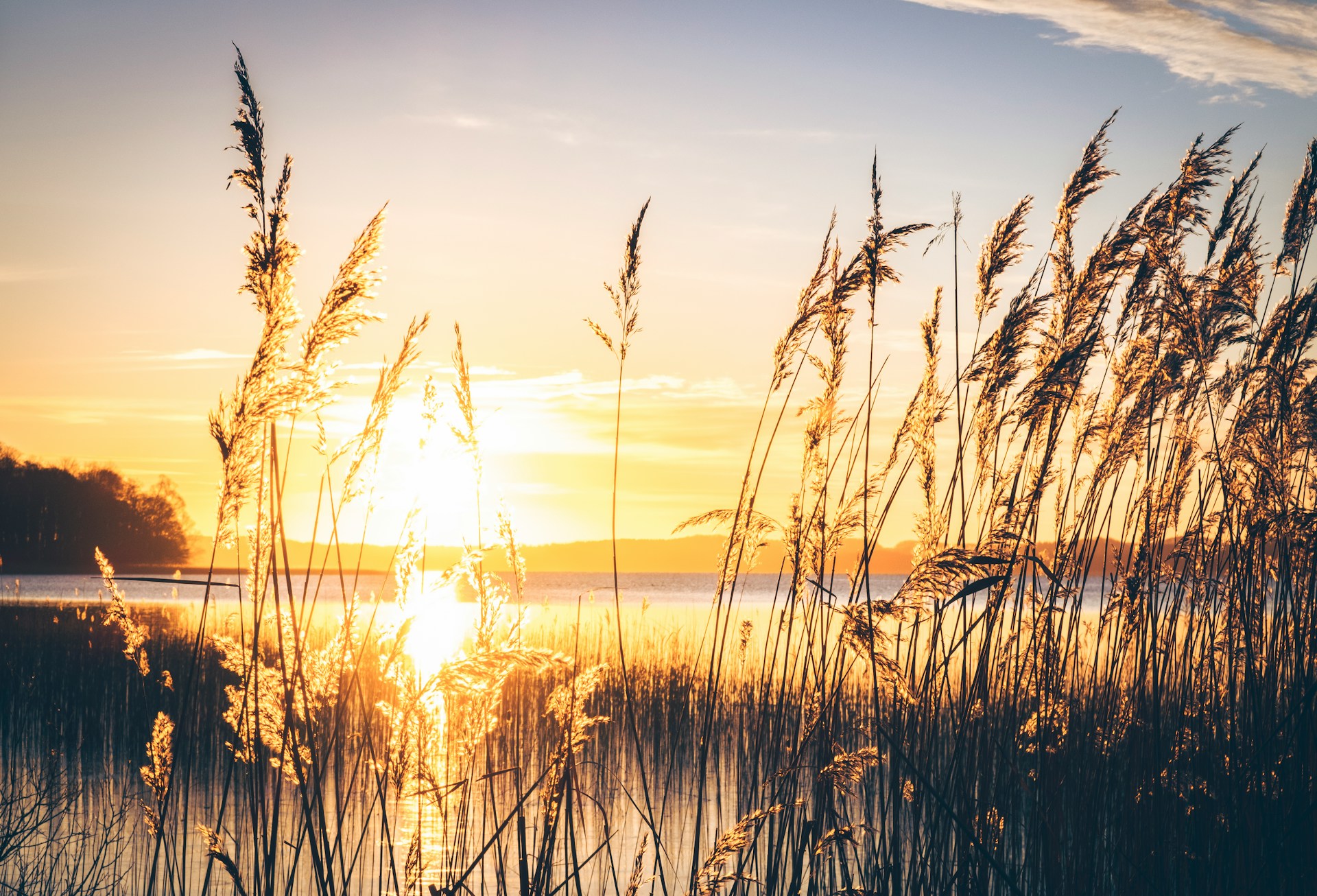
Martin County voters have approved 3 half cent sales tax referenda in the past 3 decades to purchase conservation lands. The last success was in 2024 when voters approved a 10-year half-cent sales tax to contribute $220 million to partner with other willing state and federal entities. Martin County has also aggressively pursued septic to sewer conversions inside the urban services boundary, connecting thousands of homes to municipal sewer in the last decade.
By far, my greatest achievement in office was gaining Congressional approval in 2007 for the Indian River Lagoon South Plan (IRL South Plan), our component of the Comprehensive Everglades Restoration Plan (CERP). At that time, this was a state/federal partnership to invest $1.8 billion to help clean up our rivers. In the past 15 years, well over $1.3 billion in state and federal dollars has flowed into Martin County to purchase the land and build the worthy projects of IRL South. Much more is needed and will be forthcoming.
The first critical projects that have been built or are under construction or are pending construction are largely engineered projects. Four large reservoirs totaling 9000 acres with adjacent Stormwater Treatment Areas (STAs) totaling 10,000 acres. Polluted water is pumped from canals into the reservoirs where it is gravity fed into the STAs. The STAs are filled with plants that uptake the nutrients before discharging cleaned water back into the canals. These projects are essential for the success of IRL South. We look forward to their completion.
Another massive achievement for our rivers’ health is the development and implementation of the Army Corps' latest regulation schedule for the management of Lake Okeechobee, the Lake Okeechobee System Operating Manual (LOSOM). If the LOSOM requirements are followed, we should never again receive Lake Okeechobee discharges except under extreme emergency conditions.
So, we have in place and in promise some new and greatly enhanced engineered environmental repairs that are appreciated and essential, but the goal of Everglades Restoration is Ecological Restoration. We have to think bigger, broader, bolder. Change has to be systemic. It has to focus on restoring our natural lands to historic conditions.
Also, one of the premises of The Everglades Forever Act was to recreate healthy nesting habitats for the wading birds that once filled the Everglades, until the plume hunters nearly wiped them out in the 1920s. This mission can’t be accomplished in the Everglades. Overdevelopment in south Florida has devoured most suitable habitat and the remainder is too expensive to acquire.
But, in Martin County, we have prohibited urban sprawl outside our urban services boundary, requiring that urban development only be allowed in a small geographic area on our eastern coast. So, the land outside the urban services boundary is in really fine condition and it’s relatively inexpensive. So, a unique component of IRL South requires the acquisition of 90,000 acres of natural lands, restored as nearly as possible to historic conditions. It will be a mix of wetlands and uplands, perfect habitat for nesting wading birds, flood protection, drought protection, and recharge of our precious aquifers. We are well on our way to acquiring the natural lands. At present, about 40,000 acres in Martin County are under public ownership. Martin County likes to lead by example. Our current half-cent sales tax targets the natural lands in the IRL South Plan.
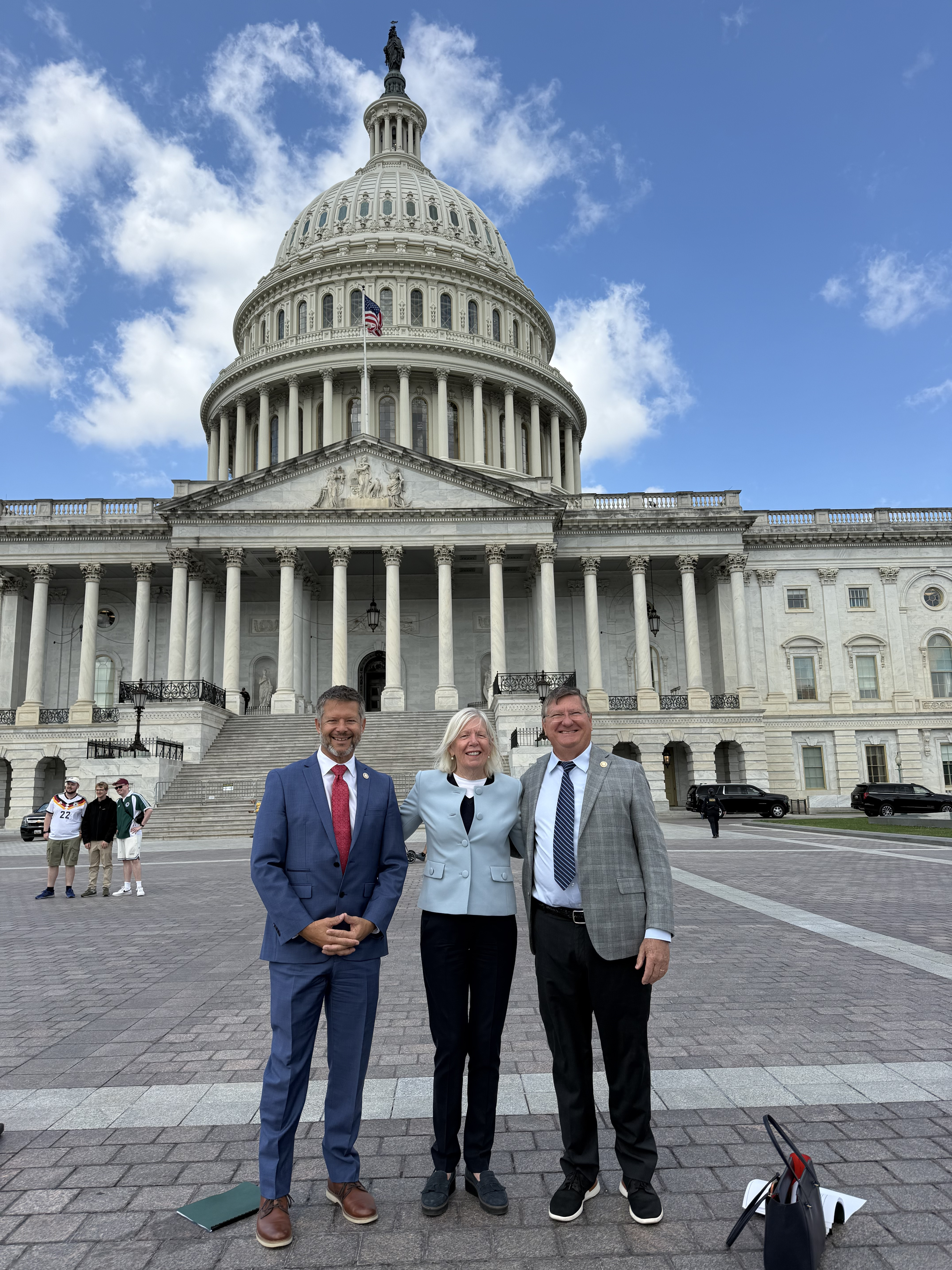
When I’ve traveled to Washington, DC over the past 20 years to advocate for funding for IRL South, I’ve spoken to Senate and House members, Office of Management and Budget officials, the Generals and head civilians at the Army Corps of Engineers, White House officials, the president’s Council on Environmental Quality, and the Government Accountability Office. All have emphasized that Martin County’s willingness to reach first into our own pockets to provide the solutions to our problems we didn’t cause is a very compelling reason to fund the IRL South Plan.
The final and unique project in IRL South is muck removal. The Indian River Lagoon is the most biodiverse estuary in North America, the most productive marine nursery in the United States. A number of conditions exist here to make this phenomenon. First is our subtropical climate. Next is the ideal mixing of the salty waters of the ocean with the fresh waters of the river and estuary. Next is the vast width of the estuaries and their very shallow depths, with their gradually sloping littoral shelves and their shores lined with healthy stands of mangroves instead of concrete bulkheads. And, the final absolute requirement is the beautiful white sand bottom, the perfect substrate for abundant seagrasses to thrive. A hundred years of punishing discharges of polluted Lake Okeechobee water has covered that essential white sand floor with about 9 million cubic yards of muck, which MUST be removed in order to restore this ecosystem.
Muck removal is the last critical phase of IRL South. And, it will be done. The Army Corps recently affirmed that its two top priorities for CERP funding are IRL South and CEPP. And, as always, Martin County wants to lead by example. We are currently in negotiations with a developer here to donate a large section of land to use as a spoil site upon which to place and de-water the dredged muck.